How to Choose the Right Landscaping Material for Your Project
Choosing the right landscaping material is crucial for the success and aesthetics of any outdoor project. This guide will help you navigate through the various options to find the perfect materials that match your needs, budget, and style preferences. Understanding the different types of materials available, evaluating their suitability to your specific conditions, and knowing what to prioritize will ensure you make confident decisions. Investing time in understanding your project's specifics and aligning them with available materials will not only save costs but also enhance the quality of the outcome. Ultimately, informed choices lead to landscapes that are not only beautiful but also sustainable and enduring.
Understanding Your Project Needs
Project Scope and Function
The first step in selecting the right landscaping material is to clearly define the scope and function of your project. Consider what you are trying to achieve with the landscape – is it increased curb appeal, more usable space, or an emphasis on sustainability? Defining these goals will narrow down your material choices significantly. For instance, if you're focusing on sustainability, eco-friendly options such as recycled pavers could be ideal. By understanding the function, you can ensure the materials you select will serve your needs effectively.
Climate and Environmental Considerations
The climate and environmental conditions of your area play a significant role in material selection. In a region with heavy rainfall, materials that offer good drainage like gravel or permeable pavers might be essential. Conversely, arid climates may benefit from durable, heat-resistant materials like concrete or certain stones. An additional consideration is the environmental impact of the materials themselves; opting for materials sourced sustainably or made from recycled content can contribute positively to the environment. According to Grand View Research, in 2024, the planting material segment held about 67% of landscaping products revenue, reflecting strong demand for trees, shrubs, turf, and related items, integrating natural elements beneficial for the environment.
Budget Constraints
Budget constraints are a crucial consideration when selecting landscaping materials. While it might be tempting to opt for the most visually appealing materials, they often come with a higher price tag. Setting a clear budget at the outset can help in striking a balance between desirability and affordability. It is also worthwhile to consider the long-term costs associated with maintenance and potential repairs. Sometimes, investing a little more initially can save money over time if it reduces the need for extensive maintenance.
Timeline and Labor Considerations
Your project timeline and the labor involved also affect material choice. Some materials, like brick and stone, might require more elaborate preparation and installation, potentially increasing the time to complete the project. Conversely, ready-to-use solutions such as mulch and seeded mats can speed up the process, especially for DIY projects. Labor is a cost factor too; materials that require skilled craftsmanship might necessitate higher labor costs. Assessing your available time and desired completion date will help guide these decisions, ensuring you select materials that help keep the project on schedule.
Future Maintenance Requirements
Understanding the maintenance needs of landscaping materials is essential in decision-making. Some materials, like natural wood, may require regular treatment to prevent weathering, while others, such as synthetic options, might be almost maintenance-free. Consider the time, effort, and costs associated with maintaining your chosen materials over the years. Durability is another key factor – materials that can withstand the local climate without frequent repairs will reduce headaches and costs in the long run. Researching the future upkeep can prevent unforeseen efforts, ensuring your landscape remains appealing with minimal intervention.
Types of Landscaping Materials
Natural Stone
Natural stone is prized for its beauty and durability. It comes in various types such as granite, limestone, and slate, each offering unique aesthetic qualities like color and texture variation. These stones can be used for pathways, patios, retaining walls, and water features, providing an elegant and long-lasting solution. However, natural stone can be more expensive and heavier, requiring skilled labor and appropriate tools for installation. Despite the higher initial investment, its lifespan and minimal maintenance can make it a worthwhile long-term option.
Gravel and Aggregates
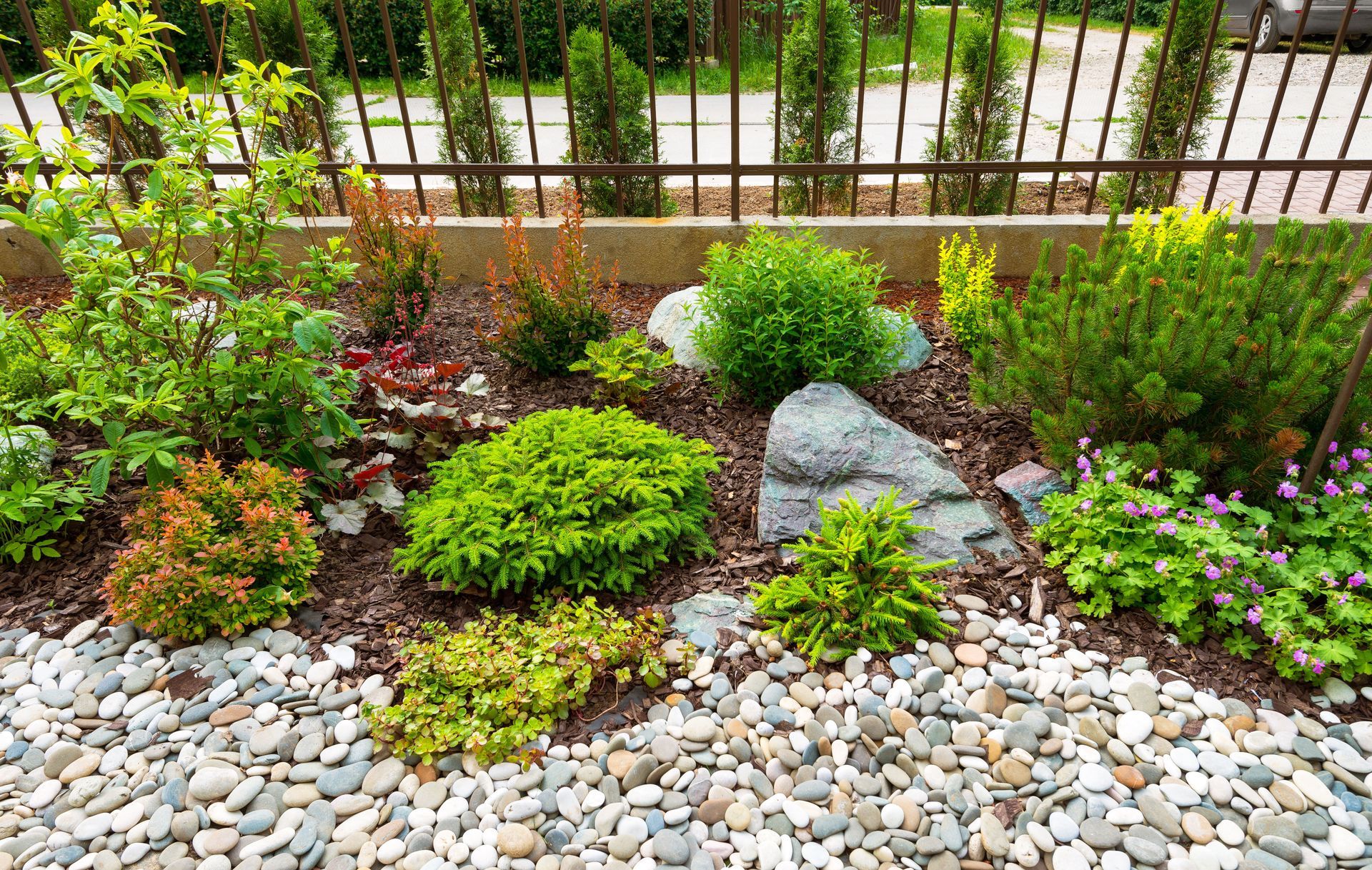
Gravel and aggregates are versatile materials suitable for a wide array of landscaping projects. They are excellent for pathways, driveways, and drainage solutions due to their ability to allow water permeability. Gravel is often chosen for its cost-effectiveness, ease of installation, and wide variety of sizes and colors, allowing customization to match other landscaping elements. However, it requires periodic top-ups as the small stones shift and settle over time. Despite this, its affordability and ease of use make it a popular choice for both DIY enthusiasts and professionals.
Wood and Timber
Wood and timber add a natural, warm aesthetic to outdoor spaces, ideal for creating decks, fencing, and furniture. Choose from a variety of wood types, such as cedar, redwood, or pressure-treated pine, each with its own characteristics regarding resistance to weather and insects. Wood offers versatility as it can be painted or stained in a variety of finishes. Nonetheless, it demands regular maintenance to protect against decay and weathering. With proper care, wood can enhance outdoor environments with its timeless appeal and adaptability.
Composite Materials
Composite materials are engineered to mimic the look and feel of natural materials while offering enhanced durability and reduced maintenance needs. Ideal for decking, fencing, and railings, they are made from a mix of wood fibers and plastic, providing resistance against the elements and pests. While often more costly than natural wood, composites offer longevity without the need for staining or sealing, thus reducing long-term upkeep costs. They are available in a wide array of colors and styles, ensuring seamless integration with your existing landscape design.
Recycled and Eco-Friendly Options
With growing environmental consciousness, recycled and eco-friendly materials have become increasingly popular in landscaping. These materials include recycled plastic lumber, reclaimed stone, and rubber mulch, each providing unique sustainability benefits. Besides reducing environmental impact, they offer durability and often mimic traditional materials' aesthetics. Despite sometimes higher upfront costs, they provide long-term savings through durability and minimal maintenance. Opting for these alternatives not only contributes to environmental conservation but also aligns with modern sustainable living trends.
Evaluating Aesthetic Values
Color and Texture Variety
Choosing the right landscaping material involves careful consideration of color and texture to complement your home's surroundings. Materials such as natural stone and wood have diverse shades and textures that can highlight a garden's natural beauty or contrast against modern architecture. Composites offer consistency in color and texture, ideal for achieving a uniform look. It's important to select materials that harmonize with nature and existing structures while allowing for creativity and personal expression. A well-chosen palette and textured finishes can elevate the aesthetic appeal and create a cohesive outdoor space.
Choosing the right landscaping material requires careful consideration of various factors including aesthetics, durability, and cost. By following this guide, you can make an informed decision that will enhance the beauty and functionality of your outdoor space for years to come. Navigating these choices with a clear understanding of project needs and budgetary limits ensures harmonious and practical landscapes. By weighing the pros and cons of different materials and reflecting on both expected and unforeseen factors, your project will be well-equipped for long-term success. Ultimately, informed decisions lead to landscapes that are not only beautiful but also sustainable, inviting, and enduring, reflecting the well-considered choices you make today. Be sure to reach out to Landscape Depot for more information on our professional landscaping material!
Share On: