Most Popular Landscaping Materials Used in U.S. Gardens
Creating an attractive outdoor environment requires careful planning and the thoughtful selection of high-quality landscaping materials. Homeowners across the country invest significant resources into transforming bare yards into stunning visual landscapes. Lush greenery paired with striking stone pathways creates an inviting atmosphere for any residential property. The selection process involves evaluating overall aesthetics, long-term durability, and routine maintenance requirements. People seek robust solutions that withstand harsh local weather conditions while providing lasting beauty and comfort.
Grass serves as the essential foundation for most residential properties. According to Workyard, in the United States, residential and commercial lawns encompass approximately 40 million acres, establishing turf grass as the country's most prominent irrigated crop. To enhance these vast green spaces, property owners incorporate diverse external elements to build visual depth and tactile texture. Selecting proper design components ensures long-term structural integrity and reduces the need for constant upkeep. A well-designed yard balances natural foliage with durable stone and rich earth.
Examining the Versatility of Aggregate Stones
Aggregate stones provide essential drainage and aesthetic value for modern yards. As popular landscaping materials, these stones offer immense structural support for heavy drainage areas. Bull rock stops water from washing soil away. These heavy stones lock together, preventing erosion during heavy rain. Property owners use bull rock to line dry creek beds and define property borders. The rugged texture adds rustic charm while serving a vital water management function for sloped properties.
Smaller stones like crushed granite create beautiful pathways and shaded seating areas. The compacted surface provides a stable walking path that resists weed growth. This durable stone comes in various shades, allowing for creative design patterns. Crushed granite serves as an excellent alternative to poured concrete for informal garden spaces. The porous nature allows rainwater to seep into the ground, reducing surface runoff and protecting nearby plant roots from drowning.
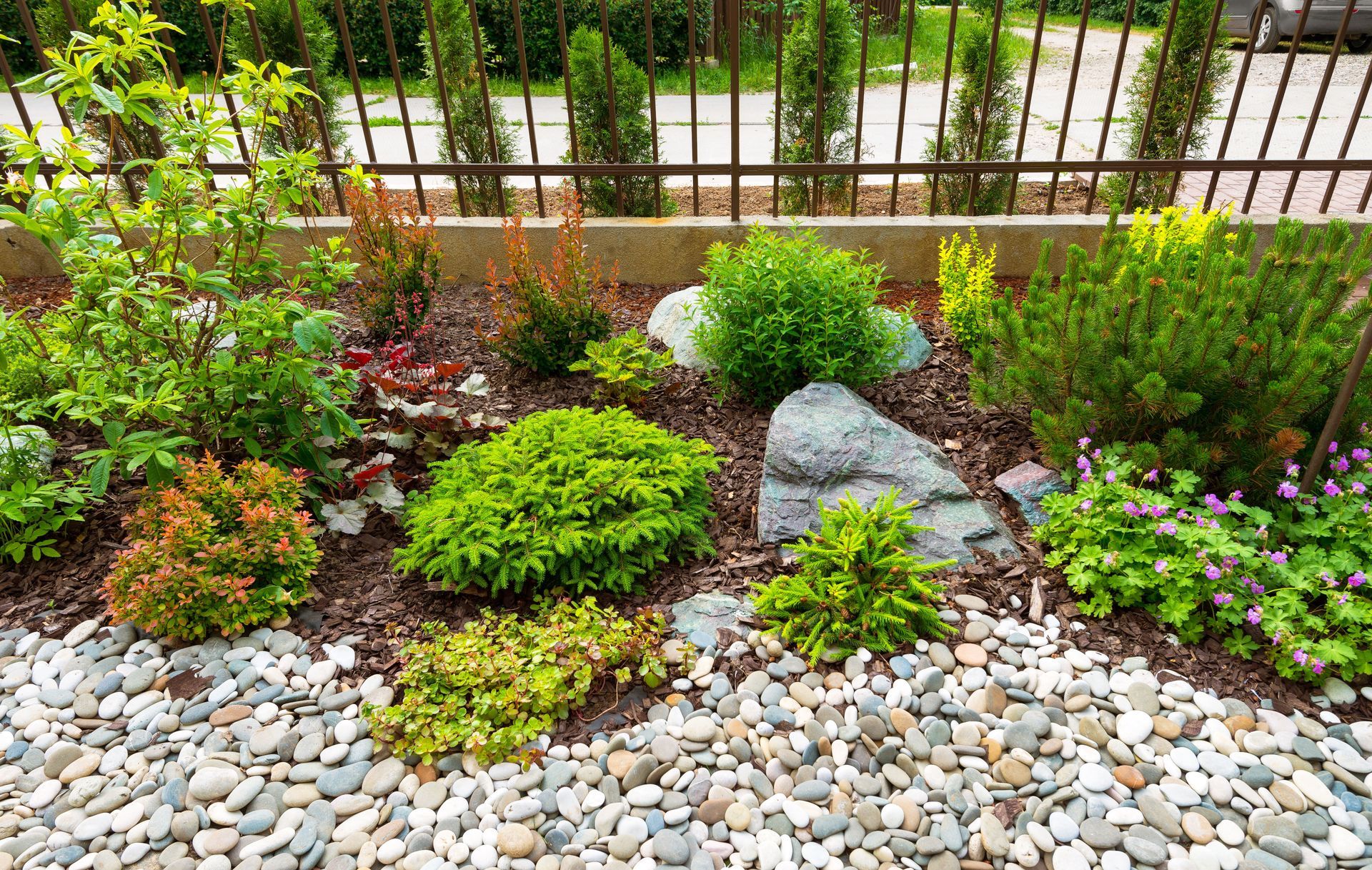
River rock adds a smooth, polished look to any outdoor design. Placing river rock around flower beds creates a clean, elegant border. The rounded edges contrast with angular architectural elements and harsh sunlight. This stone requires minimal maintenance and never decomposes, providing a permanent solution for ground cover. Homeowners appreciate the subtle color variations found in each river stone, bringing a calm aesthetic to the garden environment.
Pea gravel offers a fantastic option for high-traffic zones. The small, smooth pebbles feel comfortable under bare feet, making them ideal for patio spaces. Property managers often use pea gravel to fill spaces between concrete stepping stones. The material shifts with foot traffic, requiring occasional raking to maintain an even surface. Despite this minor upkeep, the visual appeal and satisfying crunch underfoot make it a favorite choice among landscape designers.
Analyzing the Appeal of Natural Hardscapes
Hardscape elements define the structure and flow of outdoor living areas. As essential landscaping materials, heavy stones create focal points and seating arrangements within vast garden spaces. Moss rock boulders anchor corner beds with imposing, natural weight. The aged appearance of moss rock blends into rustic and woodland themes. These massive boulders provide contrast against delicate plant foliage and soft soil beds, establishing a grounded aesthetic.
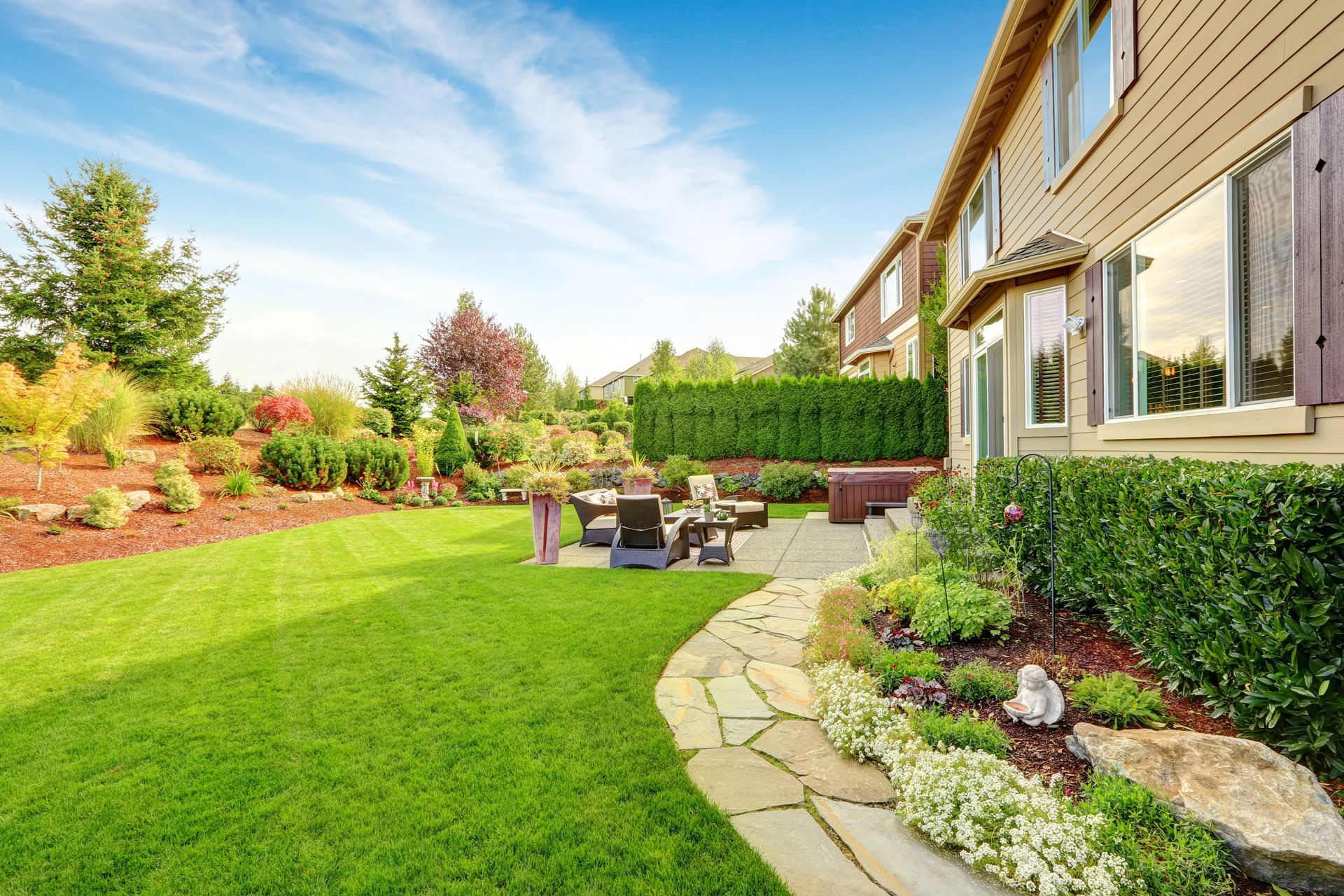
Flagstone remains a top choice for creating elegant patios and winding walkways. The flat, irregular pieces fit together like a massive puzzle, forming a stable surface. Builders appreciate flagstone for its durability and slip-resistant texture. This natural stone withstands intense heat and heavy foot traffic without cracking. The distinct earth tones of each piece ensure every project maintains a unique appearance that complements the surrounding nature.
Stackable wall blocks provide a practical method for building retaining walls and raised planters. These interlocking pieces require no mortar, simplifying the construction process for property owners. Retaining walls hold back earth on sloped properties, preventing mudslides and soil displacement. Stackable wall blocks come in neutral shades that complement surrounding foliage. The organized, geometric look brings order to wild, overgrown yards and chaotic plant arrangements.
Limestone boulders offer a bright, refined aesthetic for contemporary designs. The stark white and light gray tones reflect sunlight, illuminating shaded garden corners. Designers place limestone boulders near water features to mimic natural riverbed environments. The dense composition of limestone ensures the stones resist weathering and erosion from constant water exposure. Incorporating these bright stones elevates the overall sophistication of any outdoor residential project.
Exploring the Benefits of Organic Composts
Healthy plant growth relies on nutrient-rich soil foundations. Quality dirt sustains root systems and promotes vibrant foliage throughout the growing season. Premium soil mixes provide an optimal blend of organic matter and aeration for raised beds. This specialized soil retains moisture while allowing excess water to drain away from sensitive roots. A premium mix guarantees robust vegetable harvests and flourishing flower displays for dedicated gardeners.
Garden compost serves as a powerful soil amendment for depleted earth. Decomposed organic matter introduces vital microorganisms into the ground. These microscopic helpers break down nutrients, making them accessible to hungry plant roots. When comparing various landscaping materials, few offer the regenerative power of rich compost. Working garden compost into existing flower beds rejuvenates the environment and sparks explosive seasonal growth for flowering plants.
Mushroom compost offers a potent option for enriching garden plots. This specific compost originates from commercial mushroom farming and contains beneficial straw and manure. The high organic content improves soil structure, breaking up dense clay and adding volume to sandy dirt. Mushroom compost releases nutrients at a slow, steady pace, feeding plants over extended periods. Gardeners prize this material for its exceptional moisture retention during drought conditions.
Black humus compost delivers intense organic richness for demanding landscape projects. Humus represents the stable form of organic matter, resisting further decomposition. Adding black humus compost to a yard darkens the soil color and increases heat absorption from the sun. The improved thermal properties help seeds germinate early in cool spring weather. This premium compost transforms sterile dirt into a thriving ecosystem teeming with underground life.
Understanding the Utility of Protective Mulches
Mulch acts as a protective blanket for vulnerable plant roots. Covering bare soil prevents extreme temperature fluctuations from shocking delicate flora. Pine mulch brings a natural, rustic appearance to sprawling woodland gardens. As pine needles and bark break down, they add desirable acidity to the soil below. This acidic environment suits evergreen shrubs, ferns, and azalea bushes that require specific pH levels to thrive.
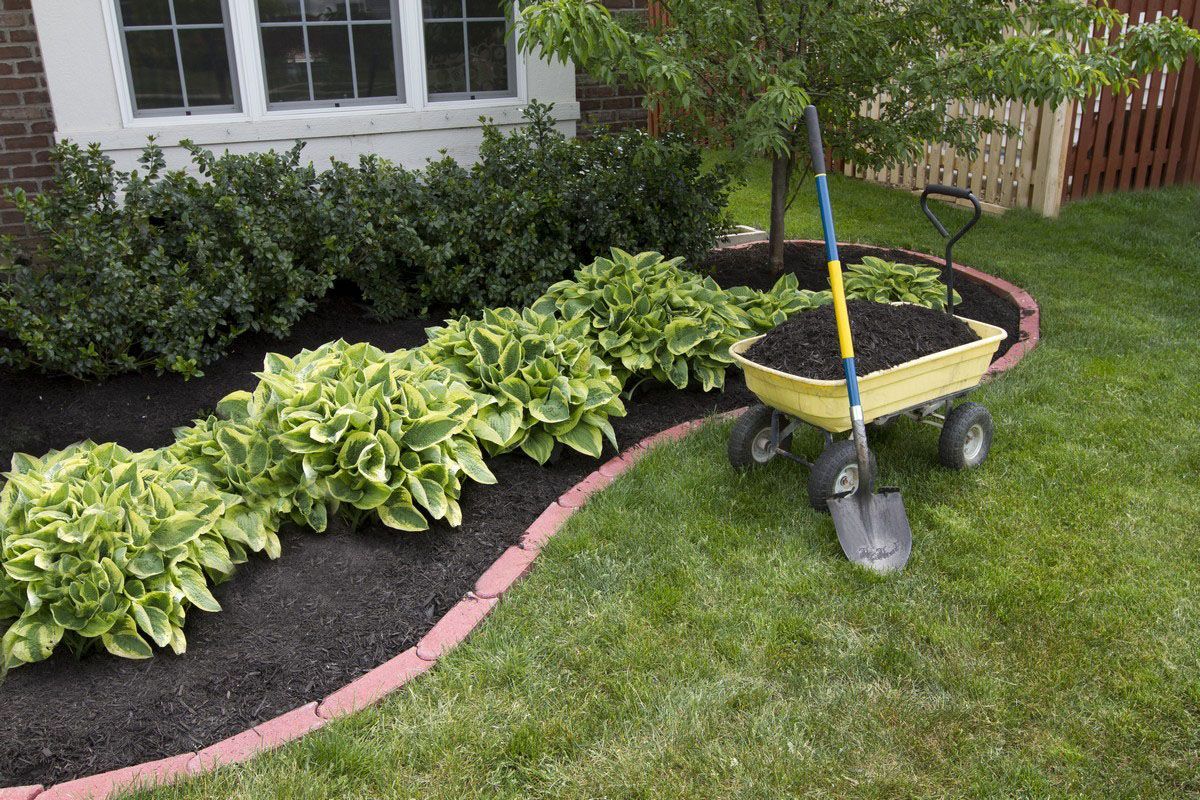
Black mulch provides a striking visual contrast for modern landscape designs. The dark color makes green foliage and bright flowers pop against the background. Dyed mulches retain their vibrant hue for extended periods, reducing the frequency of reapplication. A thick layer of black mulch suppresses stubborn weeds by blocking vital sunlight from reaching the dirt. This barrier reduces the time spent on tedious yard maintenance tasks.
Applying mulch requires proper technique to maximize the benefits. Spreading the material thickly causes moisture to become trapped against plant stems, inviting rot. A moderate layer allows water to penetrate while providing adequate insulation. When evaluating different landscaping materials, property owners must consider the specific needs of their local climate. Proper mulching conserves water, saving property owners money on utility bills during dry summer months.
Mulch prevents soil erosion during fierce rainstorms. The textured surface of pine mulch catches raindrops, absorbing the impact and preventing mud splashes on exterior walls. Keeping soil in place protects the foundation of nearby structures and maintains the yard's graded slope. As the wood chips decay, they integrate into the earth, improving overall soil structure. Consistent mulching creates a self-sustaining cycle of garden health.
The foundation of a beautiful property begins with exceptional landscaping materials. Whether laying a patio with flagstone or nourishing beds with mushroom compost, the right choices dictate the success of the project. Incorporating natural elements brings order and harmony to the wild outdoors. By prioritizing durable and organic components, individuals create resilient environments that thrive for generations. A well-planned garden stands as a testament to the enduring power of nature. When you are ready to start your next outdoor project, we highly encourage you to contact us at Landscape Depot. We will gladly help you select the ideal landscaping materials to bring your garden vision to reality.

Share On: